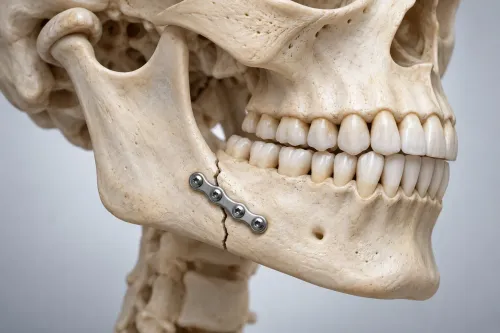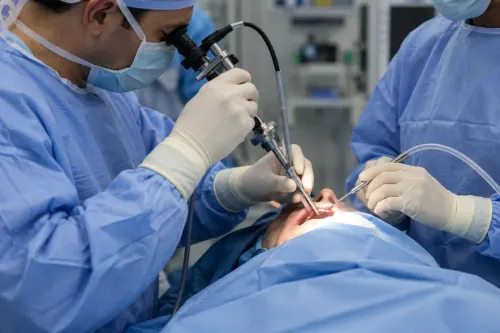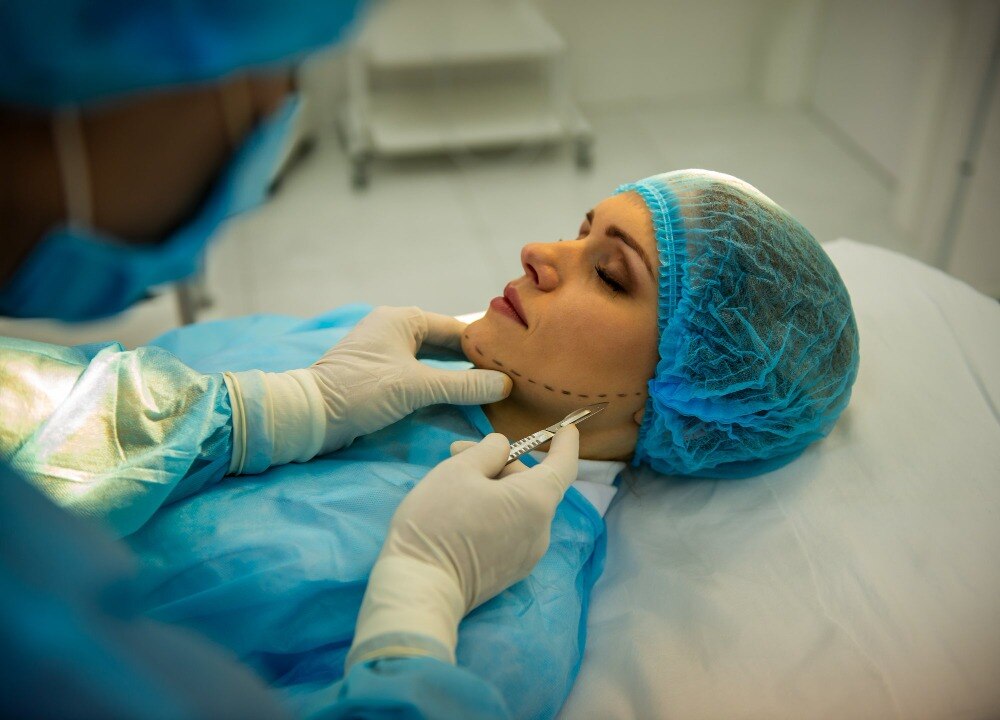
An underbite, open bite, facial asymmetry, jaw pain, or difficulty chewing does not automatically point to the same operation. The right choice depends on whether the problem lies in tooth position, jaw-bone position, the jaw joint, or missing and damaged facial tissue, and a structured assessment can identify the appropriate pathway.
Key takeaways
- Ask whether tooth movement alone can correct your bite.
- Request 3D imaging and a written treatment sequence.
- Compare function, recovery time and risks—not appearance alone.
- Choose a team experienced in corrective jaw surgery and reconstruction.
Is the problem in your teeth or in the jaw bones?
If your teeth are crowded but your upper and lower jaws align, orthodontics may be enough. Jaw deformity surgery becomes relevant when the bone relationship prevents predictable correction through tooth movement alone.
| Finding | More consistent with | What it may require |
|---|---|---|
| Dental midlines off, tilted teeth, isolated crowding | Tooth-position problem | Orthodontic movement |
| Underbite, large overbite, open bite, severe crossbite, or poor tooth contact | Skeletal discrepancy | Orthodontics with possible jaw deformity surgery |
| Chin deviation, facial asymmetry, or bite-related chewing difficulty | Jaw-position problem | Assessment for orthognathic surgery |
| Jaw pain or clicking without an abnormal skeletal bite | Joint or muscle problem | TMJ-focused evaluation, not automatically jaw surgery |
A clinician compares your dental midlines, tooth inclination, facial balance, jaw movement, bite closure, growth status, periodontal health, and the amount of correction possible by moving teeth alone. Ask for assessment if you struggle with chewing, speech, swallowing, or airway function, or if your bite shifts when you close.
Uncomplicated dental pain, isolated tooth crowding, and TMJ symptoms without a skeletal bite abnormality do not automatically call for surgery. Treating the actual cause prevents an operation that cannot solve the problem.
Corrective jaw surgery in Chennai usually means orthognathic surgery. It repositions existing sections of the upper jaw, lower jaw, or both; it is not a routine extraction, orthodontic treatment, or cosmetic procedure alone. Growth completion and healthy gums also matter before planning jaw deformity surgery.
What happens during an orthognathic surgery consultation?
An orthognathic surgery consultation determines whether the problem is dental, skeletal, joint-related, or caused by another condition before anyone recommends an operation. The specialist checks facial symmetry, dental midlines, tooth contact, jaw opening and movement, joint pain or clicking, periodontal health, airway symptoms, sleep quality, and whether facial growth is complete.
Your records may include:
- Standardized front, profile, and smiling photographs with facial measurements; profile appearance alone cannot show tooth contact or the position of the jaw joints.
- Dental models or digital scans to analyse the bite, tooth inclination, spacing, missing teeth, and severely worn surfaces.
- Panoramic X-rays for teeth, roots, bone, and jaw joints; cephalometric X-rays for jaw relationships and airway-related measurements.
- Three-dimensional cone-beam CT when asymmetry, impacted teeth, joint anatomy, airway questions, trauma, or bone defects require more detail.
| Finding | What it helps distinguish |
|---|---|
| Misaligned dental midlines with normal jaw bases | A tooth-position problem |
| Poor contact with facial asymmetry or abnormal jaw proportions | A skeletal discrepancy |
| Painful, limited, or noisy jaw movement | Joint-related disease requiring separate assessment |
| Unstable gums or weak bone support | A condition requiring preparation before bite planning |
Missing teeth, severe wear, unstable gums, or poor bone support can prevent a stable surgical bite. Periodontal treatment, orthodontics, grafting, implants, or prosthodontics may come before surgery. These findings shape facial reconstruction options and prevent an operation from being planned on unreliable foundations.
Which operation and treatment sequence correct the jaw position?
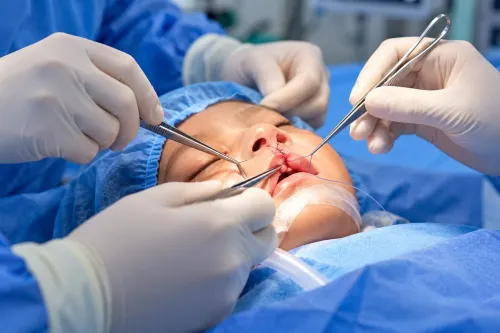
The operation follows the location of the skeletal problem: upper jaw, lower jaw, chin, or several facial segments. Jaw deformity surgery is not a single procedure.
| Option | What it moves | When it applies |
|---|---|---|
| Le Fort I osteotomy | Upper jaw (maxilla) | Upper-jaw position, open bite, or vertical and horizontal discrepancies |
| Bilateral sagittal split osteotomy | Lower jaw (mandible) | Underbite, overbite, or lower-jaw asymmetry |
| Genioplasty | Chin bone | Chin position after bite correction, or isolated chin imbalance |
| Combined operations | More than one segment | Upper- and lower-jaw discrepancies or wider facial asymmetry |
Braces usually come first. Orthodontics decompensates the teeth, undoing their attempts to hide the jaw mismatch; the bite can look worse temporarily. Surgery then repositions the jaw bones, followed by healing and post-surgical orthodontics to refine tooth contact.
Plan surgery after substantially complete growth, because continued growth can change the result. Mandibular advancement may enlarge the space behind the tongue and improve sleep-apnea anatomy in selected patients, but it is not an automatic cure; suspected apnea needs sleep evaluation.
Discuss altered lower-lip and chin sensation, which can persist after lower-jaw surgery, along with infection, bleeding, relapse, non-union, tooth or root injury, bite change, and TMJ symptoms. Further treatment may be needed if healing or the final bite is unsatisfactory.
When is reconstruction, fracture repair, TMJ surgery, or cosmetic treatment the better path?
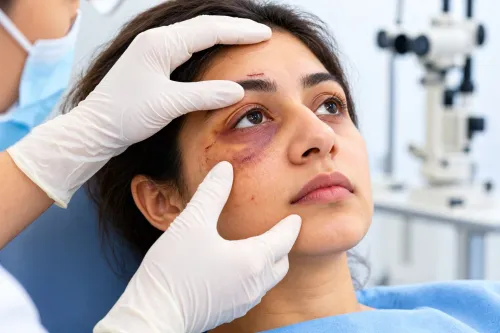
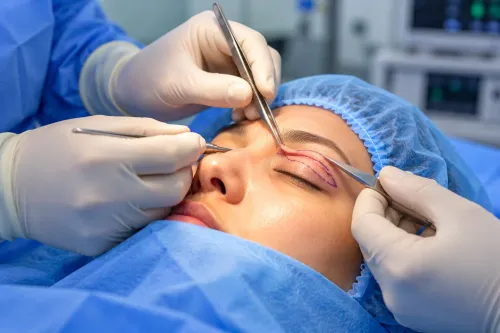
Recent fractures, malunion, orbital involvement, loss of facial support, or soft-tissue loss point to fracture repair or trauma reconstruction, not routine orthognathic surgery. An old post-traumatic deformity may need staged correction after the bones and soft tissues have healed; it is not an emergency fracture repair.
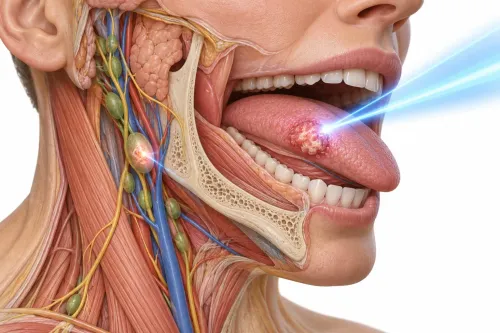
1. Ask whether jaw tissue is missing. Cancer removal, infection, trauma, or a congenital condition can require local or regional tissue, bone grafts, patient-specific plates, or a microvascular free flap. The defect’s bone loss, lining, skin cover, previous radiation, and effects on speech, swallowing, breathing, or eye protection determine the plan.
2. Separate replacement from repositioning. Cancer-related mandible or maxilla removal may require vascularized bone and soft tissue to rebuild a three-dimensional defect. That reconstruction is not interchangeable with orthognathic surgery, which moves normally formed jaw segments into a better position.
3. Match the operation to the anatomy. Cleft repair and syndromic craniofacial surgery follow developmental plans different from treatment of an adult bite discrepancy. TMJ surgery treats joint disease, not a skeletal bite problem; a chin-only operation cannot reposition a misplaced tooth-bearing mandible.
Cosmetic treatment changes appearance without necessarily improving chewing, speech, breathing, or bite. These distinctions matter when comparing facial reconstruction options or searching for facial reconstruction and corrective jaw surgery in Chennai: choose assessment based on the missing, damaged, joint, or displaced structure—not the procedure name alone.
How should you choose a team and compare treatment plans in Chennai?
Choose the team that explains the abnormal segment, not the team that promotes a particular operation.
In a facial reconstruction and corrective jaw surgery in Chennai consultation, ask whether orthodontics alone is realistic, which operation and sequence are proposed, how the bite will be stabilised, whether airway or sleep assessment is needed, and how long diet and work restrictions will last.
Use this checklist:
- Ask about lower-lip and chin sensory change, infection, bleeding, relapse, non-union, tooth or root injury, TMJ symptoms, and an unsatisfactory bite.
- Ask who manages each complication and whether revision surgery, further orthodontics, grafting, implants, or prosthodontics would be available.
- Confirm whether the team includes an oral and maxillofacial surgeon, orthodontist, anaesthetist, radiologist, and prosthodontist. Add an ENT or sleep specialist for airway concerns, or oncology and reconstructive microsurgery services when cancer is involved.
Compare plans by the same questions:
| Question | Stronger plan | Warning sign |
|---|---|---|
| Abnormality | Names the jaw or facial segment using scans and bite findings | Relies on appearance alone |
| Sequence | Explains orthodontics, operation, healing, and finishing | Promises a single quick procedure |
| Stability | States how the bite will be fixed and monitored | Gives no relapse or non-union plan |
| Recovery | Gives diet, work, and review milestones | Offers vague recovery dates |
An orthognathic surgery consultation at The Face Clinic can help coordinate these assessments without assuming surgery is necessary.
Frequently asked questions
How do you know whether the problem is in your teeth or jaw bones?
If crowded or crooked teeth occur with aligned upper and lower jaw bones, orthodontics may be enough. When the jaw bones themselves are misaligned, tooth movement alone cannot reliably correct the bite or facial balance.
What happens during an orthognathic surgery consultation?
The team examines your bite, facial proportions, jaw movement and symptoms, then reviews photographs, dental models and imaging such as X-rays or 3D scans. You should leave with the diagnosis, proposed operation, orthodontic sequence, recovery expectations and key risks.
Which operation corrects the position of the jaw?
The operation depends on the deformity. Upper-jaw correction uses a Le Fort osteotomy, lower-jaw correction commonly uses bilateral sagittal split osteotomy, and some patients need both. Orthodontics before and after surgery is often part of the sequence.
When is facial reconstruction better than corrective jaw surgery?
Reconstruction is the better path when tissue or bone is missing or damaged by cancer, trauma or a major facial defect. Fracture repair treats broken bones, TMJ surgery addresses joint disease, and cosmetic treatment targets appearance without correcting a functional jaw deformity.
How should you compare facial reconstruction and corrective jaw surgery teams in Chennai?
Compare the diagnosis, imaging, proposed sequence, surgeon experience, orthodontic coordination, anaesthesia support, hospital facilities, recovery plan and follow-up arrangements. Ask why each option fits your anatomy and what would happen if the bite or healing does not progress as planned.
Keywords