A reconstruction that looks symmetrical may still leave you unable to chew, speak, breathe, open your mouth or see normally. The better choice is the one that matches the damaged tissue, protects urgent functions and gives you a realistic plan for surgery, rehabilitation and any later revision.
Key takeaways
- Treat breathing, bleeding, vision and brain injury before appearance.
- Seek emergency care for uncontrolled bleeding, airway trouble or loss of consciousness.
- Match reconstruction to the damaged bone, skin, nerve, muscle or lining.
- Compare Chennai hospitals by specialist teams, imaging, intensive care and follow-up.
What should facial reconstruction improve first?
“Helps more” means restoring the function threatened by the injury or disease, not merely producing a normal-looking face. Rank facial reconstruction outcomes by the patient’s immediate risk and affected tissue:
- Airway safety and breathing come first when swelling or tissue loss threatens airflow.
- Vision follows when the orbit, eye movement or globe is injured.
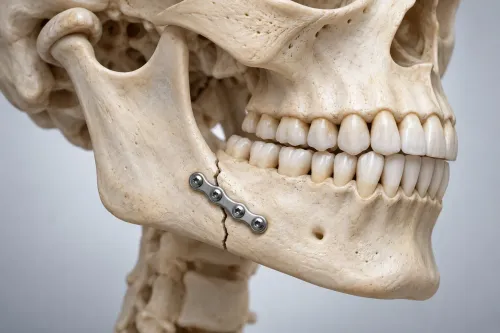
- Skeletal alignment comes before appearance when fractures, jaw position or bite are unstable.
- Chewing and swallowing take priority after tongue, palate, floor-of-mouth, throat or jaw surgery.
- Speech after facial reconstruction depends on tongue movement, oral seal, palate function and airway protection.
- Mouth opening, facial movement and sensation determine eating, hygiene, expression and nerve recovery.
- Appearance and facial symmetry matter after safe function, unless visible deformity itself causes a major psychological or social burden.
A smooth scar does not prove success. Track the diet you can manage, saliva control, intelligible speech, mouth opening, pain, sensation, dental rehabilitation and facial symmetry. Ask whether you can receive required radiotherapy without reconstruction-related delay.
A speech-and-swallow assessment can detect aspiration early and guide exercises or diet changes; temporary tracheostomy protects the airway after extensive reconstruction and does not, by itself, signal failure.
When does a facial injury need urgent hospital care?
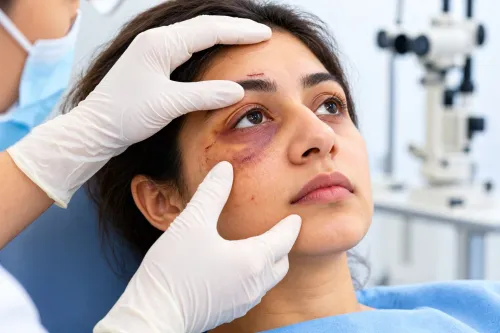
Seek immediate hospital care for a facial trauma emergency involving difficulty breathing, uncontrolled bleeding, rapidly increasing swelling, an open facial fracture, loss of vision after facial injury, suspected deep infection, altered consciousness, repeated vomiting, weakness, or other signs of brain injury. Do not wait for swelling to settle.
Trauma priorities are:
- Airway and breathing
- Life-threatening bleeding
- Eyes and brain
- Associated injuries, including neck, chest or limb trauma
- Facial contour and scar revision
A temporary tracheostomy can protect breathing after extensive jaw, tongue, throat or mouth reconstruction when swelling threatens the airway. It does not mean the reconstruction has failed.
A fracture does not automatically require facial fracture surgery. Doctors may observe it when the bones are acceptably aligned, your bite is stable, eye movement and vision are normal, and chewing or mouth opening is not obstructed.
| Finding | Likely decision | Why it matters |
|---|---|---|
| Stable alignment and bite | Observation with review | Healing may preserve function without surgery |
| Malocclusion or unstable, displaced bones | Facial fracture surgery | The bite or facial support may worsen without fixation |
| Impaired eye movement, significant enophthalmos, open contaminated injury or loss of facial support | Urgent specialist treatment | Vision, eye position, infection risk or facial structure is threatened |
Pain, swelling, fever or drainage after an injury needs reassessment, especially when symptoms are worsening.
How is the right treatment pathway identified?
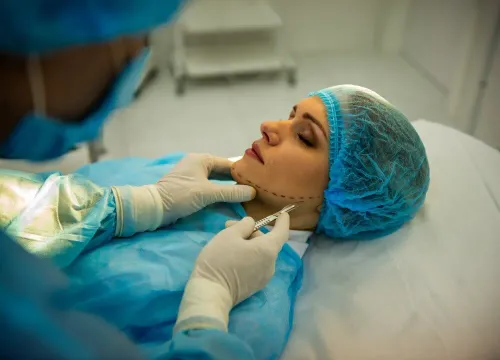
The right pathway starts with a facial reconstruction assessment that separates a bite problem from eye, nerve, airway, speech, swallowing, skin or bone damage. Examination can include jaw movement, facial movement, mouth opening, bite, eye position and vision, facial-nerve function, clinical photographs, dental models, and CT scans.
Match each finding to the specialist who can treat it:
- A displaced jaw, unstable facial bone or altered bite: a maxillofacial surgeon; searching “maxillofacial surgeon Chennai” should be followed by checking hospital support and relevant experience.
- Bite and skeletal alignment: an orthodontist and jaw surgery team.
- Skin, soft-tissue contour or scarring: a plastic surgeon.
- Nose, throat, airway or voice problems: an ENT surgeon.
- Eyelid, tear-duct, orbit or eye-movement problems: an oculoplastic surgeon and eye specialist.
- Missing teeth or difficult dental rehabilitation: a dentist or prosthodontist.
- Speech, swallowing, chewing or aspiration concerns: a speech-and-swallow therapist.
Three-dimensional imaging, including 3D CT facial reconstruction, shows bone displacement, orbital volume and jaw continuity more clearly than photographs alone. Add radiology and oncology when cancer is suspected; reconstruction cannot replace biopsy, tumour staging or cancer treatment.
Which operation fits the damaged tissue and bone?
A stable bite with skeletal misalignment usually needs orthodontics or corrective jaw surgery, called orthognathic surgery, rather than fracture repair. The choice changes when bone, skin, lining or facial support is missing.
| Option | Main problem | Usual operation |
|---|---|---|
| Orthodontics or orthognathic surgery | Stable bite but misaligned teeth or jaw | Tooth movement or corrective jaw repositioning |
| Closed reduction | Displaced fracture that can be aligned without opening the site | Manipulation and temporary fixation |
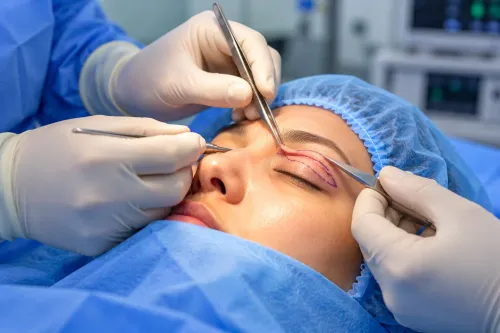
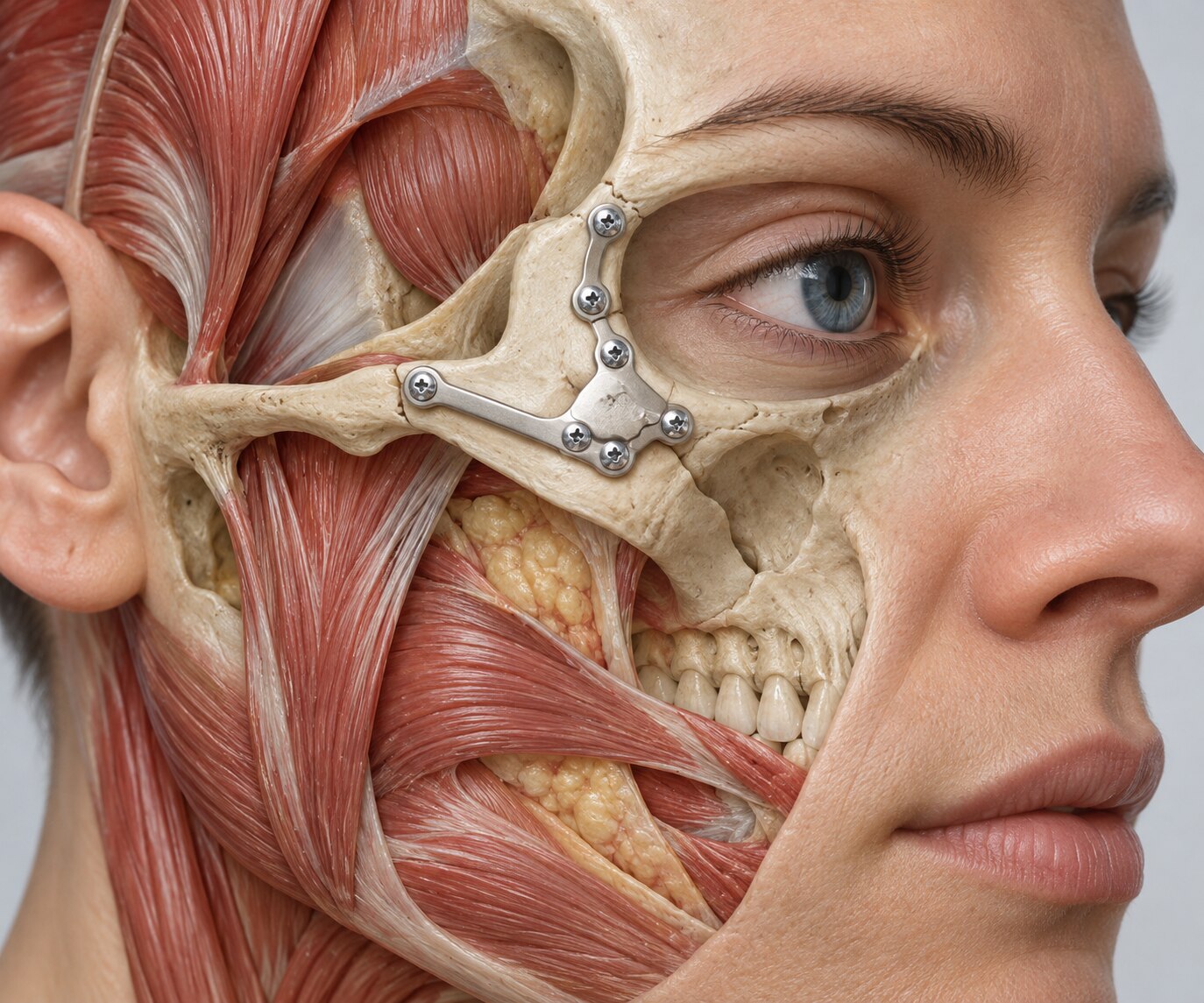
| Plates and screws | Unstable or badly displaced facial bones | Open reduction and rigid fixation |
| Skin graft and local flap facial reconstruction | Skin-only loss with a suitable wound bed or nearby tissue | Graft or tissue moved from beside the defect |
| Regional or free flap | Exposed bone, major jaw loss or a three-dimensional defect | Tissue with its own blood supply, sometimes including bone |
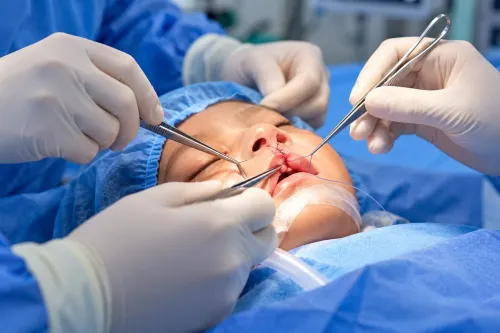
Reconstructive versus cosmetic surgery is an important distinction: cosmetic surgery changes appearance in otherwise intact tissue, while reconstruction replaces tissue lost through trauma, cancer or disease. A fracture may be observed when alignment, bite and eye function are safe; malocclusion, instability, impaired eye movement or loss of facial support raises the need for fixation.
Large defects rarely finish in one operation. Tissue expansion creates additional skin, bone grafting restores missing framework, and staged revision procedures refine contour, scars, mouth opening or dental access after healing. A free flap is more complex, but it can restore internal lining and external cover together.
What changes when cancer caused the facial defect?
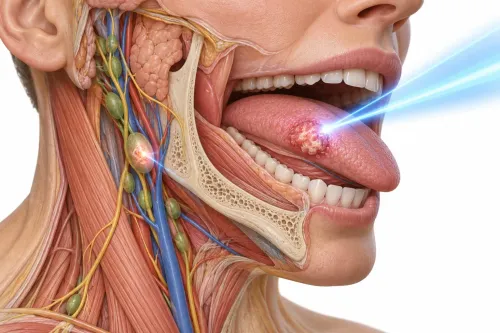
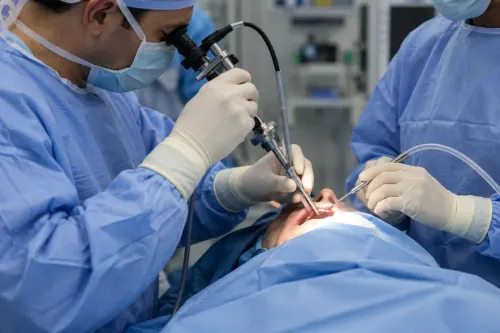
Cancer-related facial reconstruction is not cosmetic treatment: tumour control comes first, followed by restoration of the airway, jaw continuity, speech, swallowing and appearance. Oral, jaw and skin defects need a coordinated head and neck cancer reconstruction team including head-and-neck and microvascular surgeons, oncology, radiology, pathology, speech-and-swallow therapy, dietetics and dental rehabilitation.
| Option | What it means | When it applies |
|---|---|---|
| Immediate reconstruction | Rebuild the defect during tumour removal | The patient is medically stable, margins are satisfactory and infection is controlled |
| Delayed reconstruction | Treat or stabilise the disease first, then rebuild later | Infection, uncertain margins, severe illness or planned treatment makes a long operation unsafe |
After a segmental mandibulectomy, mandibulectomy reconstruction with a fibula free flap can restore jaw bone using living tissue and its blood supply. The team must assess leg vessels, flap length, dental position and future radiotherapy; it is not simply a cosmetic replacement.
Radiotherapy and facial reconstruction interact closely. Radiation reduces blood supply, slows healing, causes fibrosis and trismus, dries the mouth and raises the risk of jawbone damage.
Implants, fixed teeth and normal swallowing are not guaranteed. Reconstructed bone, mouth opening, healing and radiation exposure determine dental options; some patients need removable teeth. Speech-and-swallow therapy and dietetics support safe eating, while a temporary tracheostomy may protect the airway until swelling, breathing, secretion control and swallowing improve.
How should you compare facial reconstruction hospitals in Chennai?
Choose a referral pathway, not merely the nearest clinic. For facial reconstruction Chennai patients, a hospital’s ability to manage airway problems, bleeding, infection and postoperative complications matters more than geographic convenience. Use this facial reconstruction hospital checklist:
| Service | What to verify | Why it matters |
|---|---|---|
| 24-hour emergency care | Emergency assessment at all hours | Complications cannot wait for clinic hours |
| CT imaging and anaesthesia | CT, operating-theatre anaesthesia and intensive-care support | Complex injuries need immediate imaging and organ support |
| Blood products and pathology | Blood availability and tissue diagnosis | Surgery may involve bleeding, while pathology identifies cancer |
| Oncology and microvascular monitoring | Cancer treatment and monitoring after microvascular reconstruction | Radiation and flap failure require coordinated decisions |
| Dental or maxillofacial rehabilitation | Bite, teeth, jaw and prosthesis planning | A rebuilt jaw does not guarantee fixed teeth |
| Speech-and-swallow care | Postoperative assessment and therapy | Surgery can affect voice, swallowing and nutrition |
For coordinated head-and-neck, reconstructive, maxillofacial and cancer-surgery assessment, The Face Clinic can be considered within your head and neck surgery Chennai referral options.
Do not plan reconstruction before investigating a non-healing mouth ulcer, neck lump, persistent hoarseness or swallowing difficulty. Ask for prompt specialist review. Stop smoking and smokeless tobacco before surgery, limit alcohol, and disclose betel-quid or areca-nut use.
Frequently asked questions
What should facial reconstruction improve first?
It should first protect life and restore threatened function, including breathing, swallowing, vision, bleeding control and jaw movement. Appearance follows once urgent risks and essential function are addressed.
When does a facial injury need urgent hospital care?
Go to emergency care for trouble breathing or swallowing, uncontrolled bleeding, loss of consciousness, new double vision or vision loss, severe facial swelling, clear fluid from the nose, or an open wound exposing bone.
How is the right facial reconstruction treatment pathway identified?
A specialist team reviews the injury or disease, examines sensation and movement, checks the eyes, mouth and airway, and uses CT or other imaging to map damaged tissue and bone. The plan also accounts for timing, infection risk and your functional goals.
Which operation fits damaged facial tissue and bone?
The operation depends on what is missing or injured. Options include wound closure, skin grafts, local or free flaps, fracture fixation with plates and screws, bone grafting, nerve repair and staged reconstruction.
What changes when cancer caused the facial defect?
Cancer reconstruction must follow complete tumour removal and preserve safe margins. Surgeons plan the defect with the cancer team, then rebuild lining, bone, skin and function while considering radiotherapy and future surveillance.