Botulinum toxin injections and dermal fillers are both used in facial aesthetic practice, but they solve different problems. Treating them as interchangeable can lead to unrealistic expectations and inappropriate treatment choices.
For people considering facial rejuvenation with Botox and dermal fillers in Kovilambakkam, Chennai, understanding what each treatment is designed to do is an important part of choosing safely.
Botox and Fillers Work Differently
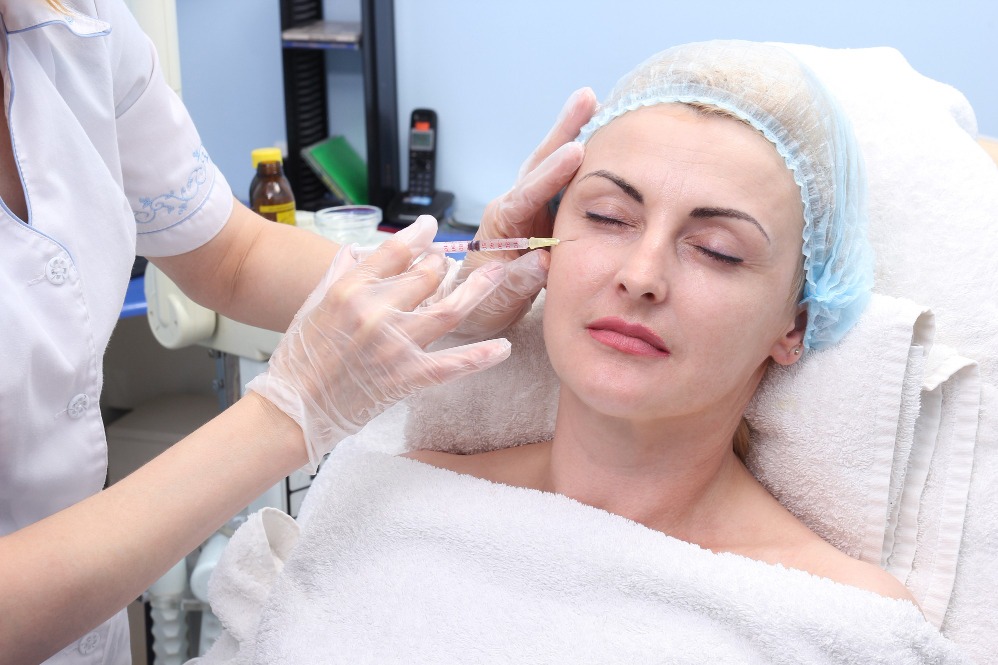
Botulinum toxin products are commonly used to temporarily reduce the activity of selected facial muscles. They may be considered for certain dynamic lines that become prominent during expressions such as frowning or smiling.
Dermal fillers are injectable products used to add or restore volume in selected facial areas. Depending on the product and treatment objective, they may be considered for contouring or addressing particular volume-related changes.
One primarily influences muscle activity. The other changes volume or contour.
Start With the Concern, Not the Product
A patient may request filler because a friend received it or ask for Botox after seeing an online transformation. A facial assessment may reveal that the concern has a different anatomical cause.
Age-related facial changes can involve:
- Skin quality
- Loss or redistribution of facial volume
- Changes in underlying support
- Muscle activity
- Changes in facial proportions
This is why treatment should begin by identifying the feature the patient wants addressed and determining what contributes to it.
More Product Does Not Necessarily Mean Better Rejuvenation
Natural facial rejuvenation generally depends on proportion and appropriate treatment selection.
Overcorrection can alter facial character rather than simply creating a fresher appearance. Conservative planning may be especially important for first-time patients who want subtle changes.
It is reasonable to ask how much product is being proposed, where it will be placed and why that area has been selected.
Medical History Matters
Injectable aesthetic treatments are medical procedures.
Before treatment, patients should disclose relevant medical conditions, medications, previous facial procedures, allergies and prior reactions. Pregnancy or breastfeeding and certain neuromuscular or other medical circumstances may also affect treatment decisions.
The treating clinician should determine whether a proposed procedure is appropriate for the individual.
Understand Risks Before Treatment
Botulinum toxin treatment can have unwanted effects depending on the injection area and individual response. Fillers can cause swelling, bruising, asymmetry and other complications.
Rare but serious vascular complications can occur with filler injections, making anatomical knowledge, product selection and complication preparedness important.
Patients should know what symptoms require prompt attention and how the clinic manages post-treatment concerns.
Questions to Ask Before Choosing a Provider
Useful questions include:
- What is causing the facial concern I want to address?
- Why is this particular treatment being recommended?
- What product will be used?
- What result is realistically achievable?
- What are the common and serious risks?
- Who will perform the injections?
- What follow-up is available if I have a concern?
Clear answers are more useful than promises of a particular appearance.
Facial Anatomy Should Guide Aesthetic Treatment
The Face Clinic combines facial plastic, reconstructive and aesthetic services, allowing injectable treatment decisions to be considered in relation to facial anatomy rather than product choice alone.
For patients in Kovilambakkam and across Chennai, Tamil Nadu, safe aesthetic planning begins with appropriate assessment and realistic expectations. Botox and dermal fillers can each have specific roles, but the best choice depends on whether the underlying concern relates primarily to muscle movement, volume, contour, skin quality or a combination of factors.
Keywords